Why Every UK Motorist Needs a Trusted Plate Verification Service
I remember the morning I nearly bought a cloned car. The deal looked perfect, a clean 2019 hatchback with low mileage, private number plates that gave it a premium feel, and a seller who seemed genuine. I ran a basic vehicle registration check, saw no red flags, and almost handed over the cash. Something made me pause. A friend in traffic enforcement had warned me about the rise in number plate cloning, so I dug deeper. That is when I discovered what a trusted plate verification service actually does. It saved me from a financial and legal mess that would have taken years to untangle.
Number plate cloning is not a rare crime anymore. It affects UK motorists daily, from drivers slapped with congestion charge fines for journeys they never made to people discovering their vehicle identity has been used in hit-and-run incidents. The DVLA works hard to keep vehicle registration records accurate, but criminals have become skilled at copying legitimate registration marks onto identical cars. Without a proper verification network, an innocent driver can end up fighting penalties, insurance claims, and even police attention for offences committed by someone else. trusted plate verification service
What Exactly Is Number Plate Cloning?
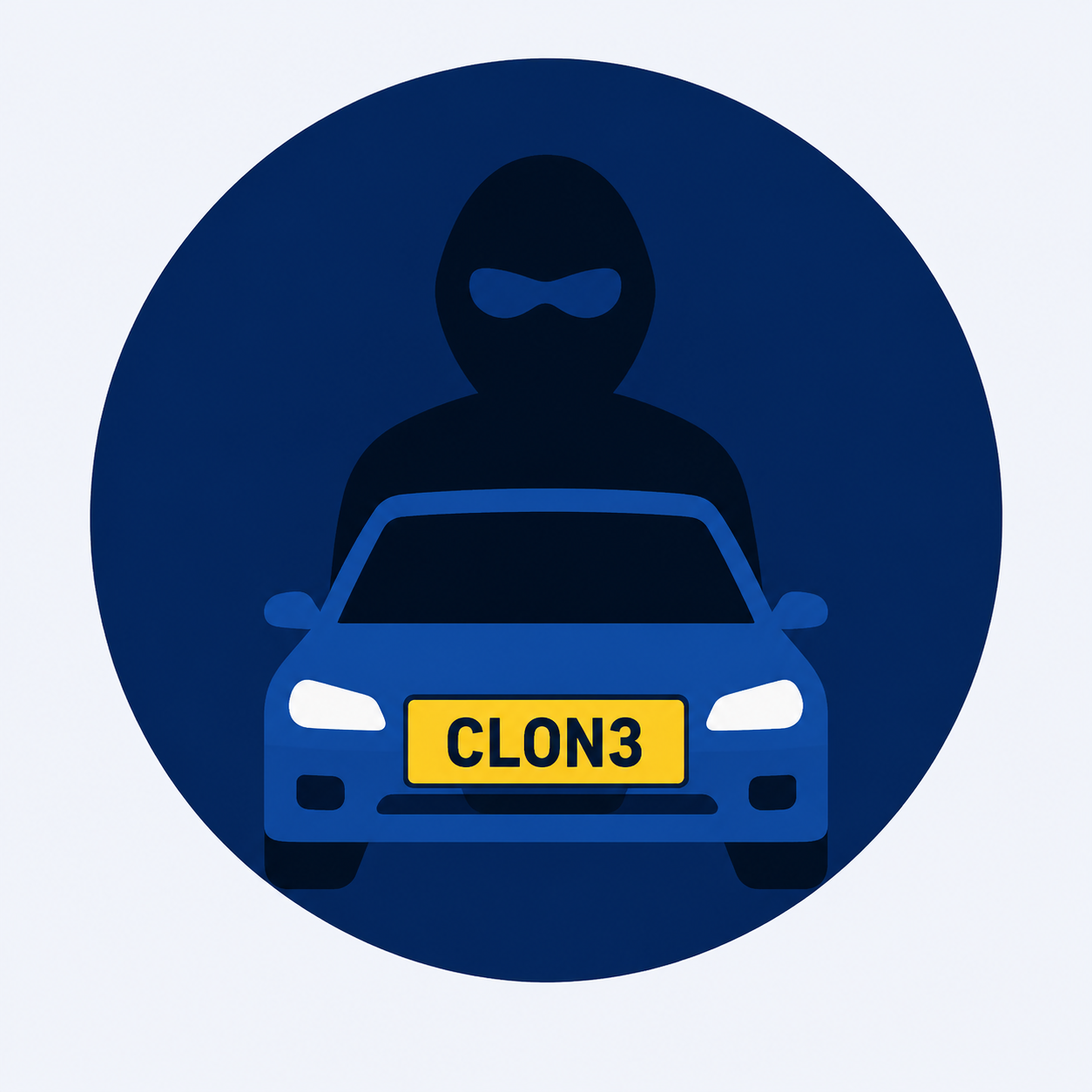
Cloning happens when a criminal copies your registration mark onto a different car that matches your make, model, and colour. They use this fake identity to drive through ANPR cameras, evade tolls, commit crimes, or sell the cloned vehicle to an unsuspecting buyer. The real owner only finds out when a penalty notice arrives or when police stop them for something they did not do.
I have spoken to drivers who spent months proving their innocence. One man I know received six speeding fines in a single week for locations he had never visited. His car was parked at home. The police databases showed his registration mark linked to a different vehicle. Sorting it out required formal statements, photographic evidence, and multiple letters to the DVLA. He had no way to know his number had been stolen until the fines appeared.
This is where a trusted plate verification service makes a real difference. It gives you eyes on your vehicle identity even when you are not near the car. The system monitors your registration mark across the verification network and sends real-time alerts whenever your plate is scanned or reported somewhere unexpected. You get notified before the problem escalates, not months later when the bailiff letters arrive.
How a Verification Network Works
The idea is straightforward. Your vehicle registration is registered within a secure system that cross-references data from multiple sources, traffic enforcement cameras, ANPR checkpoints, police databases, and even private car park operators. When your plate appears somewhere it should not be, the system flags it immediately. You receive an alert and can take action right away.
This is not about surveillance. It is about fraud prevention and protecting your vehicle ownership rights. Criminals rely on the gap between the crime happening and you finding out. A verification network closes that gap. Instead of waiting for a letter or a fine, you get a real-time warning that something is wrong. That gives you time to report it to the police, inform the DVLA, and block the cloned identity before it causes lasting damage.
For businesses that run fleets or sell cars, the value is even greater. A vehicle identity check on every car leaving the lot can stop cloned vehicles from entering the legitimate market. I have seen used car dealers adopt these systems after unwittingly selling a cloned car. The legal fallout, the refunds, and the damage to their reputation cost far more than the verification service ever would.
Secure Verification vs Basic Checks
Standard vehicle registration checks available online will tell you if a car has been written off, stolen, or has outstanding finance. They are useful, but they do not stop cloning. A cloned car will pass a basic DVLA check because the plate belongs to a real car. What you need is a live system that tracks the actual usage of that registration mark.
A trusted plate verification service goes further. It links the registration mark to a secure profile that only the legitimate owner can update. If someone tries to use that plate on a different vehicle, the system detects the mismatch. It can even cross-reference the vehicle identification number and other markers that criminals rarely bother to forge. This gives you a second layer of protection that a simple online check cannot provide.
I have also noticed that many private number plate owners overlook this risk. They spend hundreds or thousands on a personalised mark, then assume it is safe. In reality, private plates are a favourite target for cloners because they are harder to trace. A verification network that covers private number plates specifically is worth considering if you own one.
Practical Steps to Protect Yourself
Here are the actions I recommend based on my own experience and conversations with industry experts:

- Register your vehicle with a verification network that offers real-time alerts. This is the single most effective step against cloning.
- Run a vehicle identity check before buying any used car, especially one with private plates or a price that seems too good.
- Report any unexpected fines or penalty notices to the police and the DVLA immediately. Do not assume it is a mistake.
- Keep photographs of your car from multiple angles, including the registration mark, so you can prove your vehicle is the genuine one.
- Consider joining a community-based verification scheme where members share alerts about suspicious vehicles in their area.
These steps do not guarantee complete immunity, but they make you a much harder target. Criminals look for easy opportunities. A driver who has secure verification in place is not an easy opportunity.
The Bigger Picture: Crime Prevention and Insurance Fraud
Number plate cloning is not a victimless crime. It fuels insurance fraud, enables vehicle crime, and undermines trust in the entire vehicle registration system. When a cloned car is used in a robbery or a hit-and-run, the trail leads back to an innocent owner. That wastes police time, clogs up the courts, and leaves real victims without justice.
Insurance companies are starting to take notice. Some now offer lower premiums to drivers who use verified registration monitoring services. The logic is simple: if your plate is cloned, the insurer will eventually pay out for fines, legal costs, or even a stolen identity claim. Preventing that saves everyone money. I expect this trend to grow as more insurers recognise the link between cloning and fraud.
The DVLA has also stepped up its efforts to combat cloning, but it cannot monitor every plate on every road. That is where a distributed verification network helps. Thousands of drivers and businesses feeding data into the same system creates a shared defence. When one person flags a suspicious plate, everyone else benefits. It is collective crime prevention that works because it is immediate.
What to Look for in a Service
Not all verification services are equal. Some just run a one-off check and call it done. That will not protect you. Look for a service that offers continuous monitoring, real-time alerts, and integration with official data sources like the DVLA and police databases. The best ones also let you update your vehicle details quickly if you change your car or your registration mark.
Ease of use matters too. You do not want a system that requires technical knowledge or constant manual input. The best services work quietly in the background and only contact you when there is something worth knowing. That is the mark of a mature product that understands how real people live.
I also value services that are transparent about their data handling. Your vehicle registration is sensitive information. It should be stored securely and only used for the purpose you agreed to. A reputable provider will explain exactly how your data is protected and who has access to it.
Final Thoughts from Experience
I have been involved in vehicle ownership for over fifteen years, and I have seen the cloning problem grow from a niche concern to a mainstream risk. The tools available to criminals have improved, but so have the tools available to honest drivers. A good verification network is not a luxury anymore. It is a sensible part of responsible vehicle ownership, just like insurance or a valid MOT.
If you are a UK motorist, especially if you drive a common model that cloners target, or if you own private number plates, consider signing up for a service that gives you real-time alerts and secure verification. The peace of mind alone is worth it. But more than that, you are protecting yourself from a headache that can cost thousands of pounds and months of your life.
I still think about that near-miss with the cloned car. The only difference between me and the people who get caught out is that I stopped to ask the right questions. A trusted plate verification service gave me the answers I needed before I made a costly mistake. I hope this article helps you avoid the same trap.